
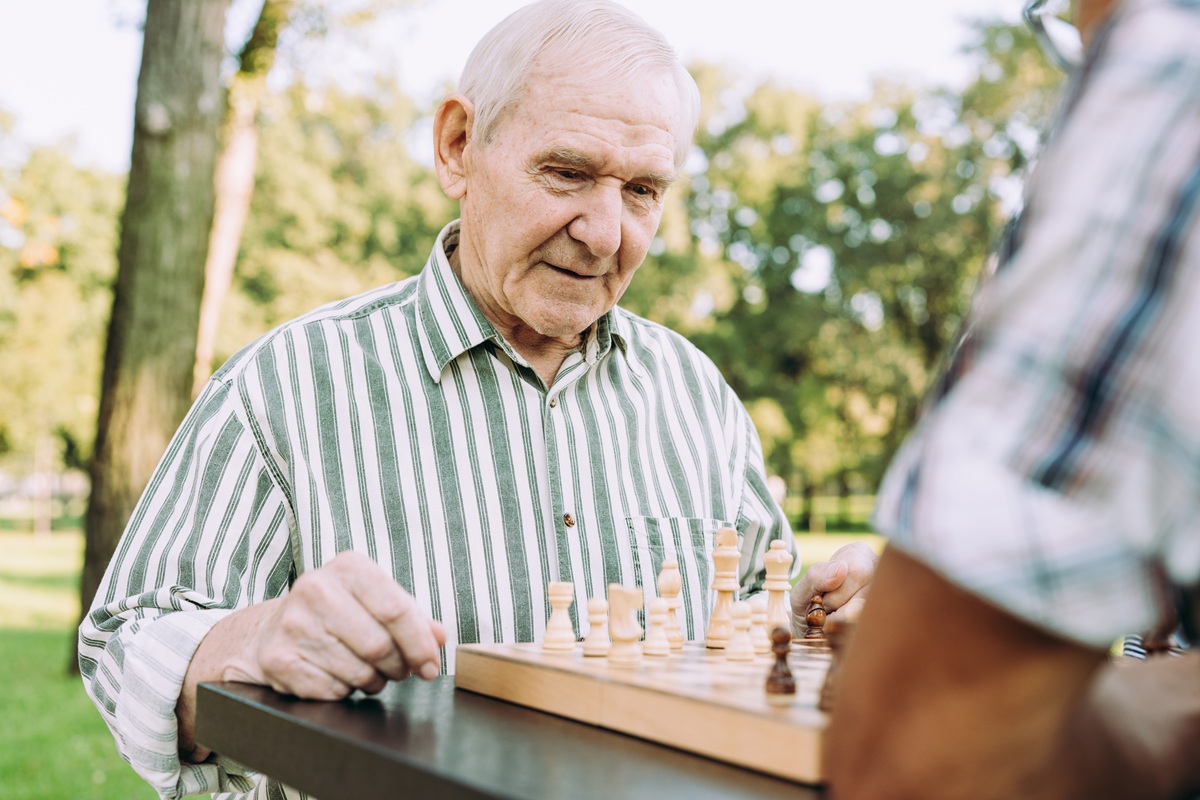
Going outside can make a person’s day completely different when they have dementia. Research shows that natural stimuli reduce agitation, lower depression, and improve mood. Gardening, walking, or simply sitting outdoors are simple memory care activities that provide gentle stimulation and refresh the mind. Outdoor activities are a great non-pharmacological tool to boost spirits, ease behavioral distress, and improve quality of life for older adults experiencing cognitive decline. In this blog, we explore the benefits of nature for dementia and how outdoor activities can support seniors with dementia.
How Time Outdoors Supports Mood, Sleep, and Wellbeing
Spending time outdoors is a simple yet powerful way to support overall physical and mental health. Here is how outdoor time supports mood, sleep, and overall well-being.
Light and Daily Rhythm
Natural light is a key factor that influences the body’s internal clock, also known as the circadian rhythm. Sunlight clearly signals to the brain that it is time to wake up, especially in the morning. This exposure helps balance hormones like cortisol, the daytime energy hormone, and melatonin, the sleep hormone, at night. This means that spending time in nature can help improve sleep regularity, leading to better sleep quality at night and waking up feeling well-rested and refreshed.
Movement and Physical Activity
In natural outdoor environments, people engage in physical activity in many ways, including structured activities such as running and cycling, as well as leisure activities such as walking and gardening. Exercise releases endorphins, neurotransmitters that can help reduce stress and boost mood. Moreover, varied outdoor movements engage different muscle groups, which can improve cardiovascular health and indirectly boost energy and physical capabilities.
Sensory Engagement
An outdoor setting offers a diverse, dynamic range of sensory stimuli compared with an indoor setting. Visually, nature offers shifting scenery, a variety of colors, and organic design. The sounds of wind, birds, and other natural sounds, along with the tactile feel of the breeze, gently engage the senses. This multisensory experience can help divert the mind from internal concerns and bring it into the present moment, with greater awareness of the environment.
Embracing Peace and Relaxation
Spending time outdoors can help seniors with dementia feel relaxed and calm. Urban or digital environments demand high concentration and focus, which can lead to mental fatigue. Nature provides a gentle distraction that lets the brain rest. This shift can reduce physiological stress indicators, including heart rate and muscle tension, and support emotional balance and psychological health. Spending a few minutes in green parks or near calm water can improve well-being.
Outdoor Activity Ideas for People With Dementia
Seniors with dementia can benefit greatly from outdoor activities physically, emotionally, and cognitively. Some simple dementia activity ideas include:
- Gardening
Gardening for dementia provides a great sensory activity that is accessible and comforting. Seniors can physically move their bodies by planting seeds, digging soil, or watering flowers. This low-impact movement naturally helps build physical stamina, flexibility, and muscle strength. The physical benefits, along with the fragrance of new herbs and the sight of colorful flowers, keep the mind very active. Seniors have a clear sense of purpose and pride in caring for living things. The natural chemicals released in the soil actively reduce daily stress, anxiety, and frustration.
- Walking Paths
Guided walking on a flat path offers seniors great physical and emotional benefits. This basic aerobic workout strengthens the heart and improves circulation and leg coordination. Walking in regular, smooth loops and safe spaces reduces fall risk. Daily walks give seniors enough sunlight to help shift their sleep patterns. The gentle repetitive rhythm of pacing on a path clears the mind, reduces agitation, and instills a deep feeling of peaceful freedom.
- Bird Watching
Bird watching is a relaxing, stress-free pastime that anyone can enjoy. This activity is easy to do, which helps to avoid feelings of failure or anxiety. Listening to pleasant birdsong and watching birds in flight helps keep a senior engaged. This gentle mental exercise focuses on visuals and sharpens listening skills. Stay outside and quietly observe with binoculars or a bird feeder guide; it is a peaceful way to relax. It acts as an excellent conversation starter, encouraging shared moments with caregivers.
- Music Outside
Outdoor music has a truly special therapeutic impact. The brain processes music deeply, and it can often evoke comforting feelings and early memories when you listen to favorite old songs. Hearing pleasant tunes while feeling a cool breeze or warm sun can increase happiness. Outdoor music helps seniors hum along, clap, or sway slightly, providing a fun way to get some exercise. This joyful auditory stimulus can help prevent confusion, soothe aggressive behavior, and lift low spirits.
- Simple Outdoor Meals
A simple meal out becomes a fun experience. A patio picnic or a small backyard meal offers new surroundings that can stimulate appetite. The relaxed atmosphere promotes slower eating and hydration. Sharing food outdoors encourages friendly exchange and helps maintain the individual’s connection to their family. The informal setting removes the constraints of indoor dining etiquette, making the experience stress-free. It is a simple way to enjoy nature while meeting basic needs.
Low Effort Sensory Options
For individuals in the late stage of dementia, activities that require physical effort may become challenging. Low-effort sensory activities engage all 5 senses: touch, sight, smell, taste, and sound.
- Wind Chimes and Water Features
Nearby water and chime features, like a fountain, provide the calming, familiar sound of trickling water, and melodic chimes help drown out disruptive sounds to create a peaceful auditory environment.
- Tactile Nature Trays
Place items at their level for them to explore, hold, and touch on their own time, such as a small basket of soft lamb’s ear leaves, a smooth river stone, and pinecones.
- Sun Catchers
Hang sun catchers in the sunny seating area or window. The dancing reflection of light provides gentle stimulation that isn’t overwhelming or confusing.
Keeping Outdoor Time Safe and Comfortable
To keep the outing safe and comfortable, keep the following in mind.
Shaded Areas
Make sure there are shaded areas, as seniors with dementia may not realize they are burning or overheating. Use large umbrellas, wide canopies, and hats to block the direct sunlight. Shaded areas provide cool seating, minimize glare that can confuse, and create a relaxing, stress-free outdoor environment.
Hydration
Dehydration can result from a diminished response to thirst cues, which may cause dizziness, urinary tract infection, and increased confusion. Use an easy-to-identify water bottle and offer frequent small sips (every 15-20 minutes), even if they do not indicate thirst.
Footing
An uneven path may be a fall hazard. Make sure the walking paths are clear of safety hazards such as loose stones and fallen leaves. Ensure they wear sturdy, non-slip shoes so they can walk comfortably and enjoy the outdoors with confidence.
Supervision
Continuous supervision is essential during outdoor activities because they may suddenly walk off or become distressed. Be close enough to offer support but allow them some space to explore on their own. A companion will help to alleviate anxiety and help them feel less alone or abandoned.
Hot-Weather Precautions
Avoid outdoor activities during the hottest part of the day. Schedule it for the early morning. Dress seniors in lightweight, light-colored, breathable clothing. Put on sunscreen before going outside. Bring them inside right away if they sweat heavily or show any signs of fatigue.
What to Look for in a Memory Care Community’s Outdoor Space
If you are considering a memory care community, make sure these features are priorities to help ensure the community is safe for your loved ones.
Secure courtyard
Look for secure, non-climbable fencing to ensure the area is fully enclosed, with secure, non-climbable exits. This lets residents with cognitive decline explore freely and safely while preventing wandering.
Shade & Seating
Older adults are very susceptible to heat and glare. Look for shady areas with awnings, large umbrellas, or tree shade to provide comfortable spots away from the sun.
Safe Paths
Walkways should be wide, flat, and made of non-slip material like concrete or specialized rubber. Circular or looping paths are ideal, as dead ends can confuse and frustrate someone with dementia.
How often residents go outside
Ask staff how often residents go outside. Look for communities that incorporate daily outdoor walks, gardening clubs, or picnics into routines.
Frequently Asked Questions
- Is being outdoors good for people with dementia?
Yes, being outdoors offers many physical and mental health benefits to people with dementia. Key benefits include better sleep, improved mobility, memory, and cognitive engagement.
- What outdoor activities are good for seniors with dementia?
Safe outdoor activities for seniors with dementia include gardening, nature walks, picnics, and bird watching. Gentle movement games like balloon tennis and throwing and catching soft objects encourage light movement.
- How does sunlight affect sleep in dementia?
Sunlight helps regulate the biological clock (circadian rhythm) that is often disrupted in people with dementia and is a main cause of sleep problems, confusion, and nighttime wandering.
- Is gardening good for people with dementia?
Yes, gardening is great for people with dementia because it offers significant emotional and sensory benefits, such as boosting mood and relieving stress. It also gives a sense of purpose and accomplishment.
- How do you keep someone with dementia safe outdoors?
To keep dementia patients safe outdoors, balance physical security, clear boundaries, and continuous supervision to prevent wandering and reduce fall risk while letting them enjoy the outdoors confidently.
- Do memory care communities have secure outdoor spaces?
Yes, they feature safe outdoor spaces for memory care residents, such as enclosed courtyards. They also feature fenced gardens and looped walking paths.
Summerfield of Stockton – Trusted, Compassionate, and Specialized Memory Care in Stockton
Spending time in nature provides significant benefits for senior living with dementia, from reducing anxiety to improving sleep patterns. At Summerfield of Stockton, our community offers safe outdoor spaces for therapeutic activities and 56 apartments for memory care and short-term stays. Residents are supported by a skilled, compassionate team available 24 hours a day. We build personalized care plans based on each resident’s needs. Our amenities and programs include in-house religious services, coro health music programs, and barber and beauty salon services. Are you looking for memory care in Stockton? Contact us or tour our community today to support your loved one’s health and well-being.